What is fibrous dysplasia of the skull?
Craniofacial fibrous dysplasia is a bone disease of the face and skull that replaces normal bone with fibrous-type tissue. This tissue is not as hard as normal bone, and because it is soft and stringy, it makes the bone more fragile and prone to break.
What are the signs and symptoms of fibrous dysplasia?
What are the symptoms of fibrous dysplasia?
- A waddling walk.
- Bone deformity.
- Bone fractures.
- Bone pain (which happens when the fibrous tissue expands in the bone)
- Scoliosis (a sideways curve of the spine)
What is polyostotic fibrous dysplasia?
Polyostotic fibrous dysplasia—more than one bone is involved. It can affect more than one bone within the same limb or multiple bones throughout the body. This form of the condition is usually more severe. For this reason, it is typically discovered earlier in life.
Is fibrous dysplasia a cancer?
Background: Malignancies in fibrous dysplasia are rare. Most cases have been published as single case reports. The role of radiation therapy in the occurrence of sarcoma in fibrous dysplasia is still controversial.
How severe is fibrous dysplasia?
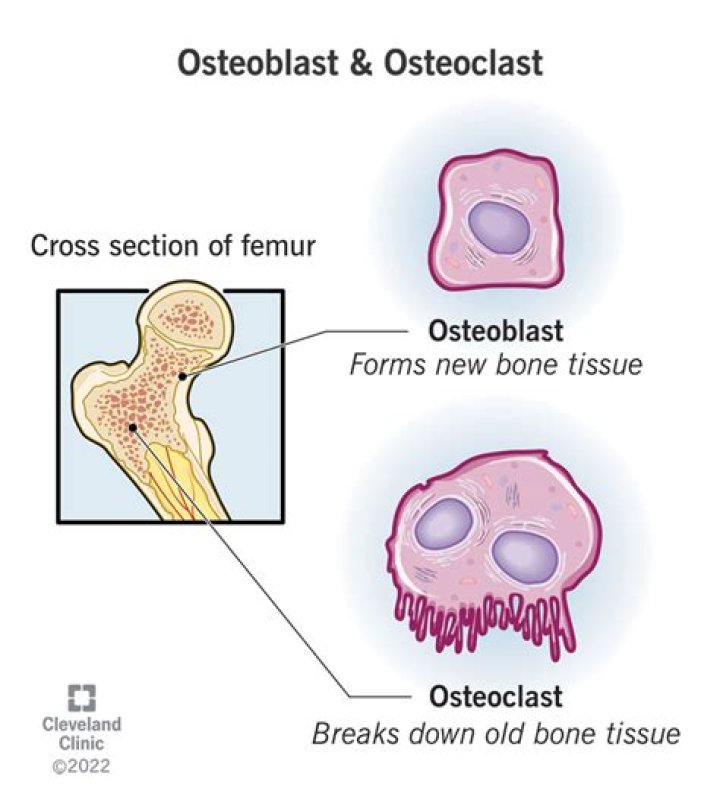
Fibrous dysplasia is linked to a gene mutation present in certain cells that produce bone. The mutation results in the production of immature and irregular bone tissue. Most often the irregular bone tissue (lesion) is present at a single site on one bone.
How rare is fibrous dysplasia of the skull?
Fibrous dysplasia (FD) is an uncommon disorder of the skeleton that is rarely cancerous (less than 1 percent).
Is fibrous dysplasia painful?
Fibrous dysplasia may cause few or no signs and symptoms, particularly if the condition is mild. More severe fibrous dysplasia may cause: Bone pain, usually a mild to moderate dull ache.
Is fibrous dysplasia curable?
Although fibrous dysplasia is a genetic disorder, it’s caused by a gene mutation that’s not passed from parent to child. There’s no cure for the disorder. Treatment, which may include surgery, focuses on relieving pain and repairing or stabilizing bones.
Does fibrous dysplasia qualify for disability?
Because Fibrodysplasia Ossificans Progressiva is such a severe condition, it qualifies for processing as one of the SSA’s Compassionate Allowances listings. You will still, however, have to provide the SSA with sufficient medical evidence when filing a disability claim based on a diagnosis of this condition.
Does fibrous dysplasia affect bone marrow?
In fibrous dysplasia/McCune-Albright syndrome (FD/MAS), bone and bone marrow are, to varying degrees, replaced by fibro-osseous tissue typically devoid of hematopoietic marrow. Despite the extensive marrow replacement in severely affected patients, bone marrow failure is not commonly associated with FD/MAS.
Can you live with fibrous dysplasia?
People living with fibrous dysplasia may have no signs or symptoms at all, but for others living with FD signs and symptoms may include: Fatigue, particularly in young children. Pain and weakness in the areas affected. Fractures or breaks.
Is fibrous dysplasia a disability?
Fibrous dysplasia is a condition where primitive bone cells proliferate inside the bone, weakening its structure and causing pain and disability.